Why is My Long Island Roof Leaking Around the Chimney?
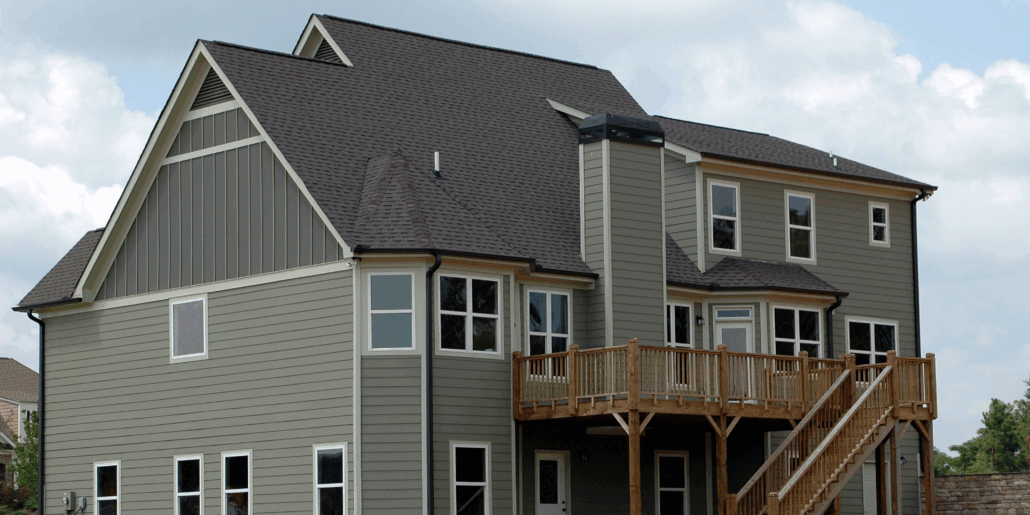
Chimney leaks in Suffolk and Nassau County are almost always caused by failed flashing. The metal barrier that seals the joint between the chimney and roof can fail over time, allowing water to penetrate and enter your home. Long Island homes are more likely to develop flashing failures due to intense freeze-thaw cycles and coastal humidity.
Renew Roofing Solutions is a licensed roofer serving all of Long Island. We’re ready to help when you notice signs of water entry around your chimney.
What is Chimney Flashing?
Chimney flashing is a metal sealing system comprised of two critical parts:
- Step Flashing interlocks with shingles along the sides of the chimney.
- Counter Flashing is embedded into the mortar of the chimney and folds down over the step flashing.
These two parts create a seal that rejects and directs water away from the chimney and down the roof’s surface into your drainage system.
This is Why Chimney Flashing Fails
Environmental factors, age, and settling can cause Long Island chimney flashing to fail.
- Age and Installation Quality: Older flashing is more likely to fail, especially after the first 10 to 15 years. Improper installation can cause early failure, especially if a low-quality roofing cement was used instead of stepping and embedding the flashing.
- Freeze-Thaw Cycles: Constant expansion and contraction from freeze-thaw cycles weakens mortar joints and loosens counter flashing.
- Long Island’s Coastal Air: The salt-laden air on Long Island corrodes galvanized and thin metal flashing. Aluminum, stainless steel, and copper are the best metals for long-lasting flashing that will resist corrosion.
- Chimney Settling: Older homes experience settling over time. The chimney can physically move, pulling the flashing away from the masonry and compromising the seal.

Look for These Signs That Your Chimney Flashing is Already Leaking
You can look for common signs of failed chimney flashing in your home’s interior and on your rooftop.
- Water stains on the ceiling around an interior chimney chase.
- Rust streaks or gaps in the metal flashing on your rooftop. You will often be able to see this from the yard/roadside.
- Damp or discolored insulation in your attic around the chimney.
- Peeling paint or bubbling drywall near the chimney.
- Musty odors in your attic or in your home around the chimney.
Don’t ignore the symptoms. A simple and affordable roof leak repair could quickly become expensive if you ignore the signs that your chimney flashing has failed.
Crickets/Saddles for Larger Chimneys
If your chimney is wider than 30 inches, it might need a chimney cricket/saddle. This small, peaked structure built behind the chimney directs water around and down, rather than letting it pool and move up the roof slope. Without one, water can work its way under shingles and saturate the roof deck.
If your roof was improperly designed, it might need to be modified to prevent leaks. A licensed roofer in Suffolk or Nassau County can inspect your roof to determine if any modifications or upgrades are needed.
Talk to a Licensed Roofer on Long Island
The team at Renew Roofing Solutions is ready to diagnose any of your roof leak and chimney flashing issues. Don’t hesitate when you notice water stains near a chimney wall or physical damage around the flashing on your rooftop. A simple flashing and roof leak repair today can prevent costlier leak repairs later.
Our team is available throughout Nassau and Suffolk Counties. Book an appointment by calling us at 516-212-0307 or 914-415-7702.